When a fragile product is damaged during shipping, the problem is rarely only the outer carton. For many B2B buyers, the real protection comes from the insert inside the box: the material that holds the product in place, absorbs impact, separates accessories, and keeps the presentation clean when the customer opens the package.
Custom EPE foam inserts are widely used for electronics, instruments, cosmetics, hardware, glassware, gift boxes, display products, export cartons, and other items that need cushioning without adding too much weight. For a factory buyer, the key question is not simply how much one foam insert costs. A better question is what information the factory needs to design a foam insert that protects the product and can be produced efficiently.
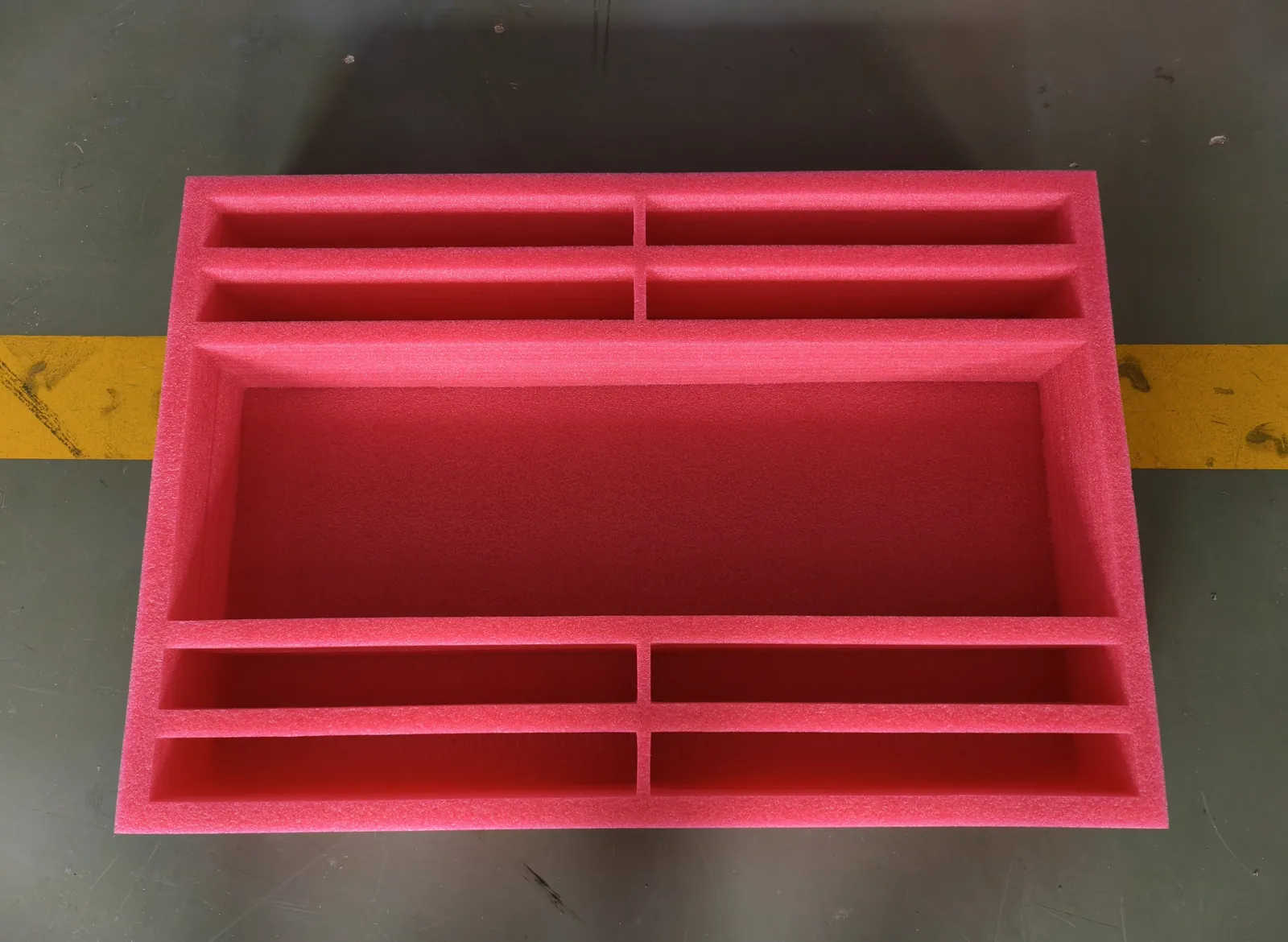
What Is a Custom EPE Foam Insert?
EPE foam, also called expanded polyethylene foam or pearl cotton, is a lightweight cushioning material used for protective packaging. A custom EPE foam insert is cut, slotted, laminated, or formed according to the shape of the product.
Unlike loose filling materials, a custom insert controls the position of the product. It can protect corners, edges, surfaces, accessories, and fragile parts. It can also make packing faster on the production line because workers know exactly where each item should be placed.
For B2B buyers, this matters because packaging is not only about appearance. It affects damage rate, labor efficiency, carton size, shipping cost, customer complaints, and repeat orders.
Information a Factory Needs Before Quoting
To get an accurate quotation, prepare the following details before contacting an EPE foam packaging factory:
- Product dimensions, including length, width, height, and irregular protruding parts.
- Product weight and whether the weight is concentrated in one area.
- Product material, such as metal, glass, plastic, electronic components, painted surface, or finished retail product.
- Packing method, including inner box, gift box, export carton, or direct shipping carton.
- Quantity for sampling and estimated batch order quantity.
- Required color, such as white, black, red, or anti-static pink.
- Drawings, product photos, or a physical sample if the structure is complex.
- Shipping method and risk level, such as express delivery, sea freight, warehouse transfer, or long-distance export transport.
The more complete the information, the easier it is for the factory to suggest the right foam thickness, structure, and processing method.

How to Choose Foam Thickness and Structure
Foam thickness should match the product fragility, weight, and packing space. Thin foam may be enough for surface separation or light accessories. Thicker foam is usually needed for heavier products, fragile corners, and long-distance transport.
For many products, a good insert design uses different protection zones:
- Bottom cushioning to absorb vertical pressure.
- Side walls to prevent movement inside the carton.
- Corner protection for impact points.
- Cut-out slots to hold accessories or components.
- Clearance around the product so it can be inserted and removed smoothly.
The goal is not to use the thickest foam possible. The goal is to balance protection, carton size, material cost, and packing efficiency.
When to Use Compartments or Multi-Layer Inserts
Multi-compartment EPE foam inserts are useful when one package contains several parts. For example, an electronic device may need separate spaces for the main unit, cable, adapter, manual, and small accessories. A cosmetic gift box may need a tray that keeps bottles aligned. Hardware and tools may need shaped slots to prevent scratching and collision.
Multi-layer structures are often used when the product height is not suitable for a single foam sheet. The factory can laminate layers, cut holes, and build a structure that matches the product shape. This can reduce movement and improve the final packing presentation.
White, Black, Colored, and Anti-Static EPE Foam
Different EPE foam colors are used for different packaging goals.
White EPE foam is common for general protective packaging. It is clean, economical, and suitable for many industrial and export uses.
Black EPE foam is often chosen for premium presentation, gift boxes, tools, electronics, and products where a darker insert improves visual contrast.
Colored EPE foam can help product identification or brand presentation. It may also be used when the buyer wants the insert to match a packaging theme.
Anti-static EPE foam is used when the product is sensitive to static electricity, such as electronic components, circuit boards, precision instruments, and some industrial parts. Buyers should clearly tell the factory if anti-static performance is required.
Sampling Before Bulk Production
For a custom EPE foam insert, sampling is important. A sample helps confirm fit, tolerance, ease of packing, appearance, and whether the product is protected in the expected way.
A practical sample review should check:
- Whether the product fits without forcing.
- Whether the foam is too loose or too tight.
- Whether fragile parts are supported.
- Whether the insert fits the carton or gift box.
- Whether workers can pack the product quickly.
- Whether accessories have clear positions.
After the sample is confirmed, the factory can move to batch production with fewer changes and less risk.
How EPE Inserts Help Export Packaging
Export packaging often faces longer transport time, multiple handling steps, stacking pressure, humidity changes, and warehouse transfers. A custom EPE insert helps reduce damage by keeping the product stable inside the carton.
For export buyers, it is useful to tell the factory the outer carton size, packing quantity per carton, shipping route, and whether pallets will be used. This allows the foam insert design to work together with the carton instead of being designed separately.
FAQ
What information should I send for a custom EPE foam insert quote?
Send product dimensions, weight, photos or drawings, packing method, quantity, foam color, and any special requirements such as anti-static material or export packaging.
Is EPE foam suitable for fragile products?
Yes, EPE foam is widely used for fragile products because it is lightweight, cushioning, and easy to cut into custom shapes. The final protection depends on the insert structure, foam thickness, and carton design.
Can EPE foam inserts be made in different colors?
Yes. White, black, red, and anti-static pink are common options. Color choice depends on product presentation, material requirement, and availability.
Do I need a sample before bulk production?
For custom inserts, a sample is recommended. It helps confirm product fit, packing speed, protection points, and the final appearance before mass production.
Are custom EPE foam inserts suitable for export packaging?
Yes. They are often used in export cartons to reduce product movement, protect corners and surfaces, and improve stability during long-distance transport.