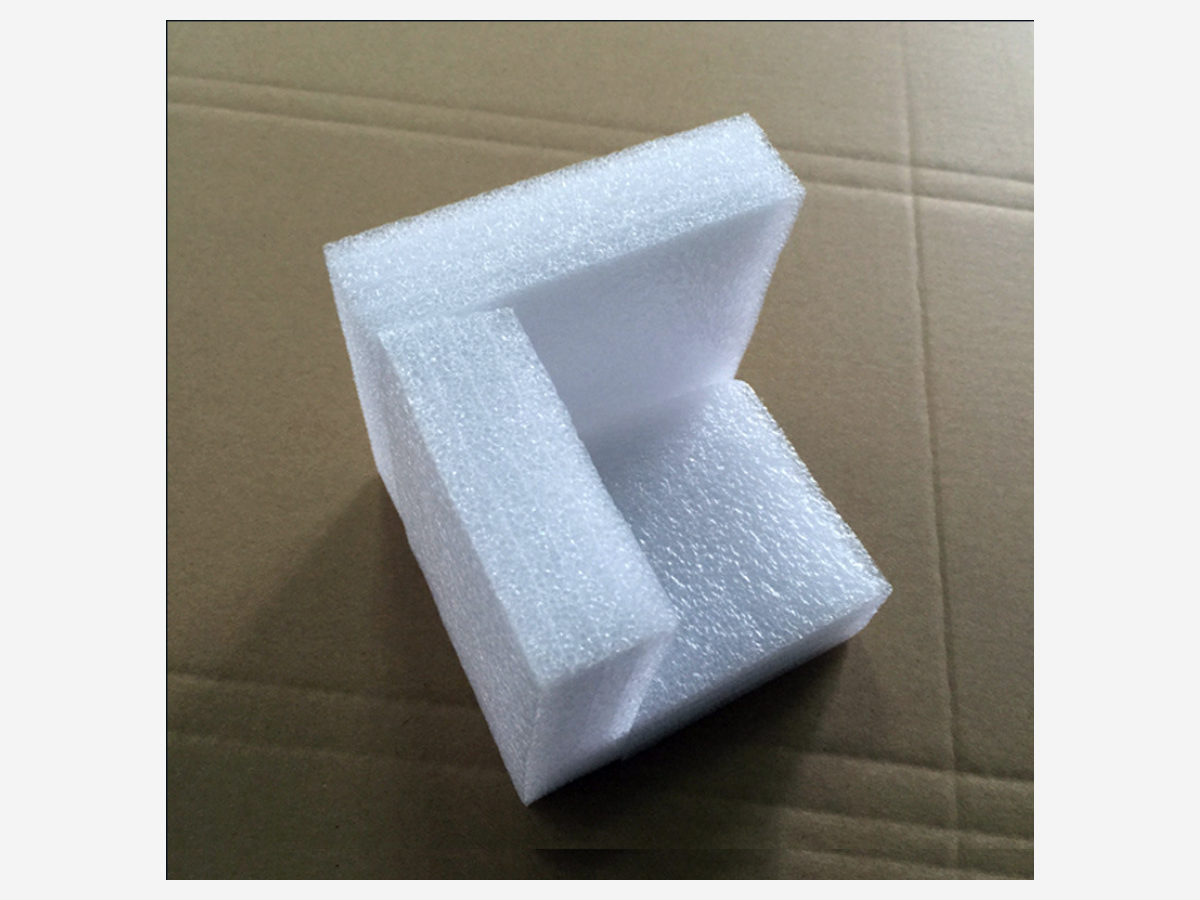
Quick answer: cross-border e-commerce brands need packaging that protects the product through parcel handling, makes fulfilment repeatable and allows the item to be returned and repacked without damage. Custom EPE foam packaging can create stable cavities, soft contact areas and a consistent unboxing process for products that are scratched, dented or displaced in transit.
WHY RETURNS CHANGE THE PACKAGING REQUIREMENT
A one-way export carton may be opened once. An e-commerce parcel can be handled many times, opened by a customer, returned, inspected and shipped again. The insert therefore needs to protect the product and remain easy to use after the first opening.
Common buyer triggers include:
- Damage claims caused by movement or edge impact.
- High return rates because products arrive scratched or broken.
- Slow fulfilment caused by manual wrapping and inconsistent packing.
- Accessories or parts being mixed during a return.
- Oversized cartons that increase parcel shipping cost.
- Poor presentation that weakens a private-label brand.
WHAT PRODUCTS BENEFIT FROM EPE FOAM INSERTS?
Custom EPE foam inserts are useful for electronics, small appliances, tools, cosmetic devices, glass accessories, gift sets, precision parts and other products that need separation or positioning. The right design depends on product weight, surface finish, parcel size, handling risk and the way a fulfilment operator packs the order.
For a product with a painted or polished surface, use controlled contact areas and intentional clearance. For a product with connectors or switches, provide access zones so an operator does not press on fragile features. For a kit with accessories, give each item a visible cavity and a simple removal sequence.
DESIGN FOR THE COMPLETE RETURN CYCLE
A return-ready insert should answer four questions:
- Can a new operator pack the product correctly without special training?
- Can a customer remove the product without tearing or losing the insert?
- Can the returned product be placed back in the same position?
- Does the closed carton stop movement during parcel handling?
Use clear orientation, finger access and cavity labels where helpful. Avoid a tight cavity that requires force or a loose cavity that allows the product to move. A sample with the real product and carton is more reliable than judging a foam shape on a table.
CONTROL PARCEL SIZE AND LANDED COST
E-commerce shipments are sensitive to dimensional weight. Ask the EPE foam packaging supplier to compare the finished insert, carton internal dimensions, void space and gross weight. A thinner or nested construction may reduce shipping cost, but only if it still controls impact and abrasion.
Request:
- Packed length, width, height and gross weight.
- Cartons per pallet and sets per carton.
- A flat-packed or nested option when the shape allows it.
- Carton closure and label placement.
- A return-and-repack trial.
The lowest foam unit price may not be the lowest total cost if the insert increases parcel size or causes damage claims.
TEST THE FAILURE MODES
A practical test plan should reflect the customer journey. Check insertion and removal, carton closure, product movement, visible surface marks and the condition after repeated opening. If your team has an existing parcel or drop test, share the method with the factory before sampling.
For a custom EPE foam insert, inspect:
- Cavity length, width, depth and support points.
- Wall thickness and cut quality.
- Lamination or adhesive alignment if used.
- Cleanliness, tears, compression marks and contamination.
- Fit with the actual product and accessories.
- Quantity, labels and part-number traceability.
KEEP A REVISION-CONTROLLED PACKAGING RECORD
E-commerce brands often change product colours, accessories, chargers or cartons. Keep the insert drawing, product part number, material identification, component weight and revision history together. If the foam or carton changes, repeat the fit check before the next shipment.
For European projects, provide your compliance team with consistent packaging data so it can assess applicable PPWR-oriented requirements. The supplier can supply technical information, but the importer remains responsible for its own regulatory review.
WHAT TO SEND IN YOUR RFQ
Send product dimensions, weight, fragile zones, photos or a sample, accessory list, target parcel size, annual demand, first order quantity, destination markets, return workflow and required delivery date. Ask the supplier to separate design review, sample, tooling, unit, packing and freight costs.
A useful quotation should state the proposed material, insert construction, drawing revision, sample plan, QC checks, lead time and pack-out assumptions. This makes two suppliers easier to compare and reduces surprises during a repeat order.
FREQUENT BUYER QUESTIONS
Can EPE foam inserts be reused after a return?
They can be designed for repeated opening and repacking when the cavity, surface and removal method are suitable. Test the actual return workflow before approval.
Do e-commerce brands need a custom die?
Not always. CNC-shaped or laminated samples may be useful for development, while a die-cut construction can be considered for a stable high-volume design.
How can an insert reduce parcel damage?
It controls product movement, separates surfaces and transfers handling loads through planned support points. The carton and product still need to be tested as one system.
Is a premium-looking insert necessary?
Not necessarily. A clean, repeatable and easy-to-use design can improve the customer experience without unnecessary material or cost.
Hongying supplies custom EPE foam packaging for e-commerce, retail, private-label and cross-border fulfilment programs. Send your product dimensions, target parcel size and return problem to receive a sample-based quotation.