A polished website and a low quotation do not prove that a supplier can control a long-running packaging programme. European buyers need evidence that drawings, materials, samples, production, inspection and changes are managed consistently. A structured EPE foam packaging factory audit in China helps separate a useful production partner from a quotation-only trader.
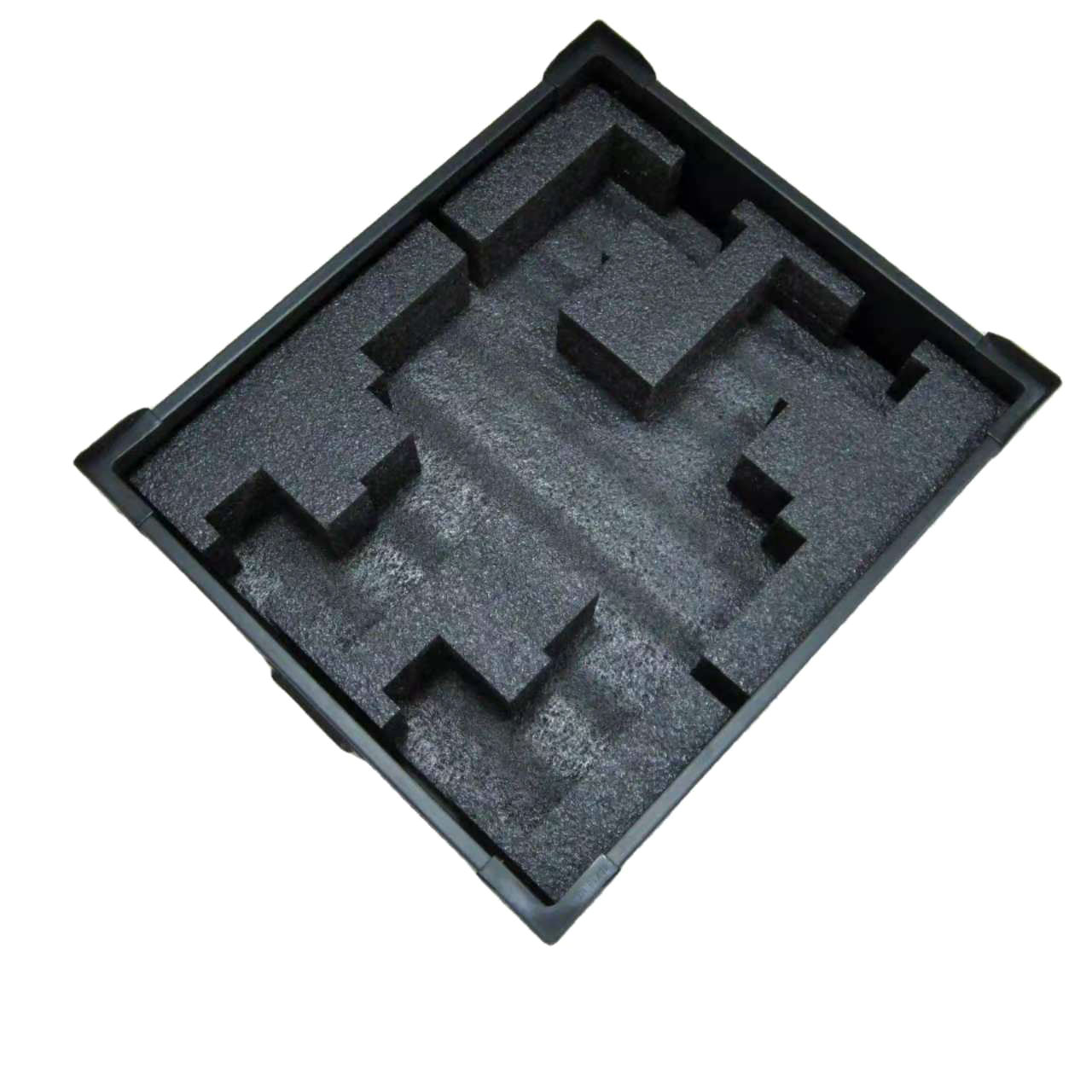
Hongying operates a 3,000+ m² EPE packaging facility, but factory size should never be the only purchasing criterion. This guide shows the questions buyers can use during an on-site visit, remote video audit or documented supplier assessment before placing a large order.
Confirm the Legal and Commercial Supplier
Check the registered company name, business address, invoice entity and bank beneficiary. Confirm whether the quoted company manufactures, trades or subcontracts the work. If another plant performs part of the process, identify it and include the relevant controls in the audit.
Make sure the entity on the purchase order matches the entity responsible for quality and delivery. Review export arrangements, communication contacts and escalation paths. Never change bank details based only on an email; use an independently verified channel.
Verify the Facility Scope
Ask for a floor plan or guided video showing material receipt, storage, processing, assembly, inspection, packing and finished goods. During a remote audit, request a continuous live view instead of only edited promotional clips. Product and date references can help confirm the visit is current.
A 3,000+ m² facility provides useful working area, but the buyer should verify which space is dedicated to EPE operations and which equipment or processes are relevant to the project. Capacity depends on product complexity, staffing, material supply and production schedule—not floor area alone.
Match capability to the actual design
Show the supplier the expected cavity depth, layer construction, size, tolerance and quantity. Ask how each feature will be made and inspected. A factory may be strong in flat sheets but less suitable for complex multi-layer assemblies, or the reverse.
Review Raw-Material Control
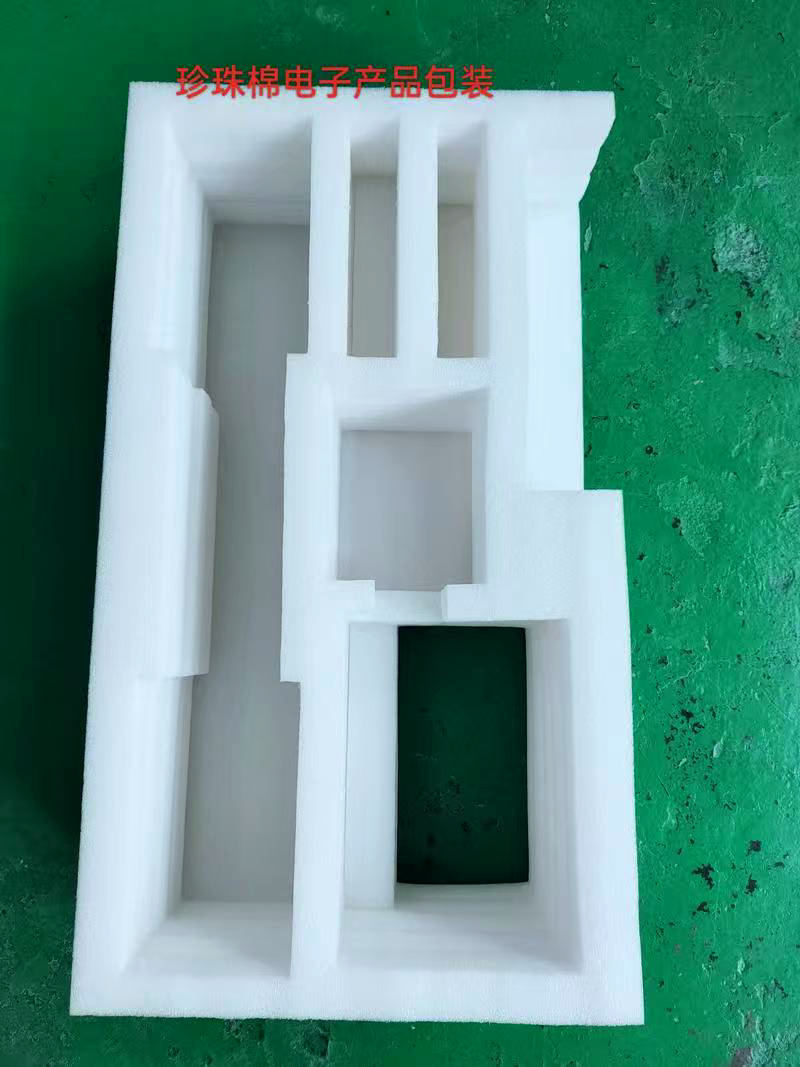
Ask how incoming EPE is identified by grade, colour, thickness and lot. Review supplier approval, receiving checks, storage and substitution rules. Material should remain linked to the production order and approved drawing.
Words such as “high density” are not enough. The quotation and specification should use an agreed material description and tolerances. If the project requires colour, antistatic behaviour or documentation, confirm that controls apply to the exact delivered grade.
Check storage conditions
Foam should be protected from contamination, uncontrolled compression, weather and mix-ups. Observe identification, stacking and first-in/first-out practice where relevant. Ask how nonconforming or unidentified material is segregated.
Assess Drawing and Revision Control
A professional custom EPE foam manufacturer for Europe should work from a controlled drawing rather than an unlabelled photograph. The drawing should show outside dimensions, cavity geometry, thickness, construction, material, tolerances and critical features.
Ask who creates, checks, approves and releases the drawing. Review how obsolete versions are removed from production and how changes reach inspection. The sample label, quotation, purchase order and inspection record should reference the same revision.
Examine the Sampling Process
Request a defined path from inquiry to first sample, buyer feedback, revision and approval. Confirm what information the factory needs and what the sample charge includes. Avoid agreeing to bulk production before the real product, box and accessories have been evaluated.
The approval record should state fit, material, appearance, construction and any test results. A signed master sample or traceable digital approval helps prevent disputes. If a handmade sample differs from the planned production process, require a production-representative confirmation.
Test communication during sampling
Notice whether the supplier identifies missing weight, fragile areas, tolerances and carton information. Good technical questions are evidence of risk awareness. Fast agreement without understanding the product can create expensive changes later.
Inspect Production Process Controls
Ask for a process flow covering cutting, shaping, cavity creation, lamination or bonding, trimming, inspection and packing as applicable. Identify critical settings and operator checks. Review how the factory controls first-piece approval and restarts after adjustments.
Observe work instructions and identification at the workstation. Materials and semi-finished parts for different orders should not be mixed. Complex left/right or multi-layer assemblies need clear orientation and part-number control.
Verify Measurement Capability
Choose critical dimensions from the buyer drawing and ask the inspector to demonstrate the measurement method. Confirm that the tool is appropriate for soft foam and that operators use the same datum and compression force. A precise instrument cannot correct an unclear method.
Review calibration or verification status for applicable tools. For complex cavities, templates, gauges or approved products may supplement dimensions. The inspection plan should state sampling frequency and acceptance rules.
Inspect the difficult features
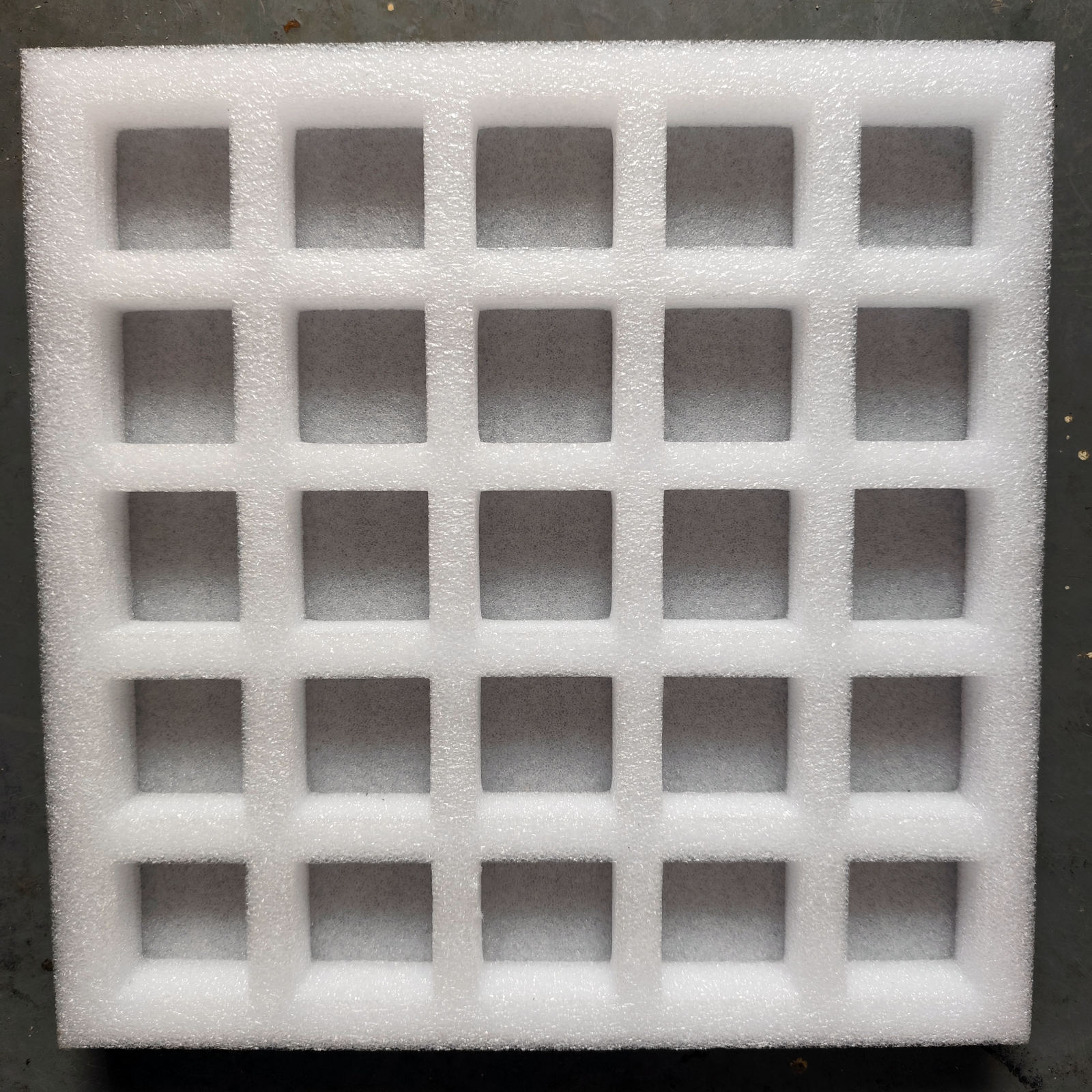
Do not audit only easy outside dimensions. Check minimum divider width, cavity position, bottom thickness, bond alignment, thin bridges and clearances around fragile product features. These characteristics often determine real packaging performance.
Review In-Process and Final Quality Records
Ask to see blank examples or redacted records for material receipt, first article, in-process checks, final inspection and shipment release. Records should identify order, part number, revision, lot, date, inspector and result.
Review how defects are contained and investigated. The factory should separate nonconforming material and prevent accidental shipment. For repeat orders, corrective-action records show whether recurring issues are analysed rather than simply sorted.
Check Change and Substitution Control
Ask what happens if the usual material is unavailable, a tool wears or a process changes. The supplier should not substitute foam grade, colour, thickness, bonding or construction without the buyer’s defined approval.
Purchase terms should describe notification and revalidation. A change that looks minor to the factory may alter compression, fit, appearance, ESD behaviour or documentation. Link approved changes to a new drawing revision.
Audit Capacity With Real Numbers
Provide annual demand, batch size, launch date, normal monthly call-off and peak requirement. Ask the supplier to explain the assumed production schedule and key constraints. Distinguish theoretical output from capacity already committed to other customers.
Discuss raw-material lead time, staffing, maintenance, backup process and finished-goods space. For a large programme, request a ramp plan. Capacity evidence should match the exact design because simple pads and complex bonded inserts consume different resources.
Review continuity planning
Ask how fire, power loss, equipment failure, material shortage and transport interruption are handled. The buyer can decide whether safety stock, dual material sources or staggered call-offs are appropriate. Do not expect a generic emergency statement to replace a project plan.
Examine Packing and Export Readiness
Finished EPE must reach the buyer clean, correctly counted and dimensionally stable. Review bagging, carton strength, stacking, labels and pallet restraint. Large foam parts should not be crushed to save space unless recovery has been approved.
Labels should identify buyer part number, supplier part number, revision, quantity, lot and destination as required. Confirm export-document responsibilities, Incoterm, named place and booking communication. Ask for carton dimensions and pieces per carton before comparing landed cost.
Review Regulatory Documentation Carefully
Give the factory a project-specific document list. Check that reports and declarations identify the actual material, colour, formulation and scope. Generic certificates or unrelated test reports should not be accepted because the logo looks familiar.
For EU PPWR work, ask for material identification, mass and design information needed by the responsible economic operator. Do not expect a universal “PPWR certificate” for every EPE product. The complete packaging and applicable role must be assessed.
Evaluate Communication and Ownership
Identify the commercial contact, engineer, quality contact and escalation manager. Agree response expectations across time zones and the language of drawings and records. Technical decisions should be captured in writing instead of remaining only in chat messages.
During the audit, ask the same project question to sales, production and quality. Consistent answers show that information has reached the process. Conflicting part numbers or revisions are a warning sign.
Use a Trial Order Before Full Ramp-Up
A passed audit does not replace product validation. Place a controlled pilot lot when project risk justifies it. Inspect dimensions, fit, material, packing, labels and delivery performance using the same requirements planned for production.
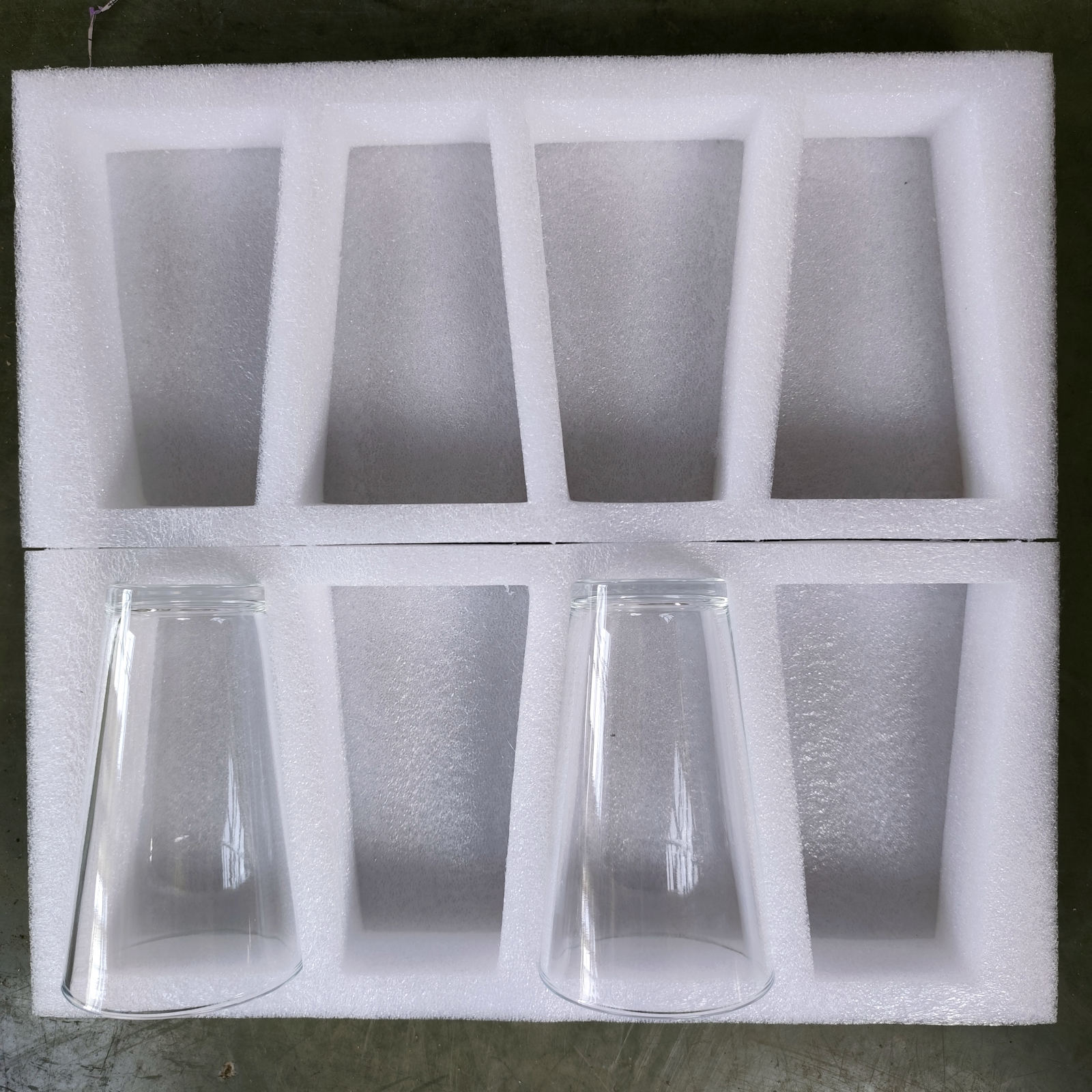
Run the complete packaging test and collect feedback from packing operators. Close deviations before increasing volume. The first large release should reference the final approved drawing, sample and quality plan.
Factory Audit Red Flags
- the company receiving payment is not explained;
- the supplier refuses live or on-site process review;
- bulk production is offered without a controlled drawing;
- material is described only by colour or “high density”;
- reports do not match the quoted grade;
- no one owns drawing revision or engineering changes;
- capacity claims have no schedule or project calculation;
- inspection records lack lot and revision traceability;
- packing dimensions are missing from an export quotation;
- the supplier promises universal regulatory compliance.
Information to Send Before the Audit
- project drawing, product weight and packaging assembly;
- critical-to-quality dimensions and test requirements;
- material and documentation specification;
- annual demand, batch sizes, launch and peak forecast;
- required process scope and subcontracting restrictions;
- quality-record and traceability expectations;
- packing, pallet and label requirements;
- European delivery point and Incoterm;
- audit agenda, evidence list and confidentiality terms;
- open risks from current packaging or suppliers.
Request a Supplier Review and Quotation
Send Hongying your product files, current packaging, annual forecast and audit checklist through the EPE packaging factory quotation form. Buyers can request a project discussion and capability evidence relevant to the proposed insert. Use the EPE insert RFQ checklist to prepare the first package.
Frequently Asked Questions
Is factory area enough to prove production capacity?
No. Floor area is only one indicator. Capacity must be reviewed against the exact design, equipment, staffing, material availability, committed workload and delivery schedule.
Can a European buyer perform the audit remotely?
Yes, many checks can use live video, controlled documents and samples. High-risk programmes may still justify an independent or on-site audit. Define evidence before the session.
What should be approved before a large order?
Approve the drawing revision, material, complete packed sample, validation results, quality plan, packing method, labels, commercial scope and delivery schedule.
Does a factory audit guarantee every shipment?
No. It reduces supplier-selection risk. Ongoing drawings, inspections, change control, incoming checks and performance review remain necessary throughout the programme.