EPE foam packaging for injection-molded and painted housings should isolate Class A surfaces, prevent part-to-part rub and support structural ribs or hidden faces. Buyers should identify cosmetic zones, gloss and texture limits, cure condition, maximum dimensions, weight, units per tray, cleanliness rules, outer container and route. These inputs prevent a mechanically intact component from being rejected for appearance damage.
Why appearance defects drive packaging design
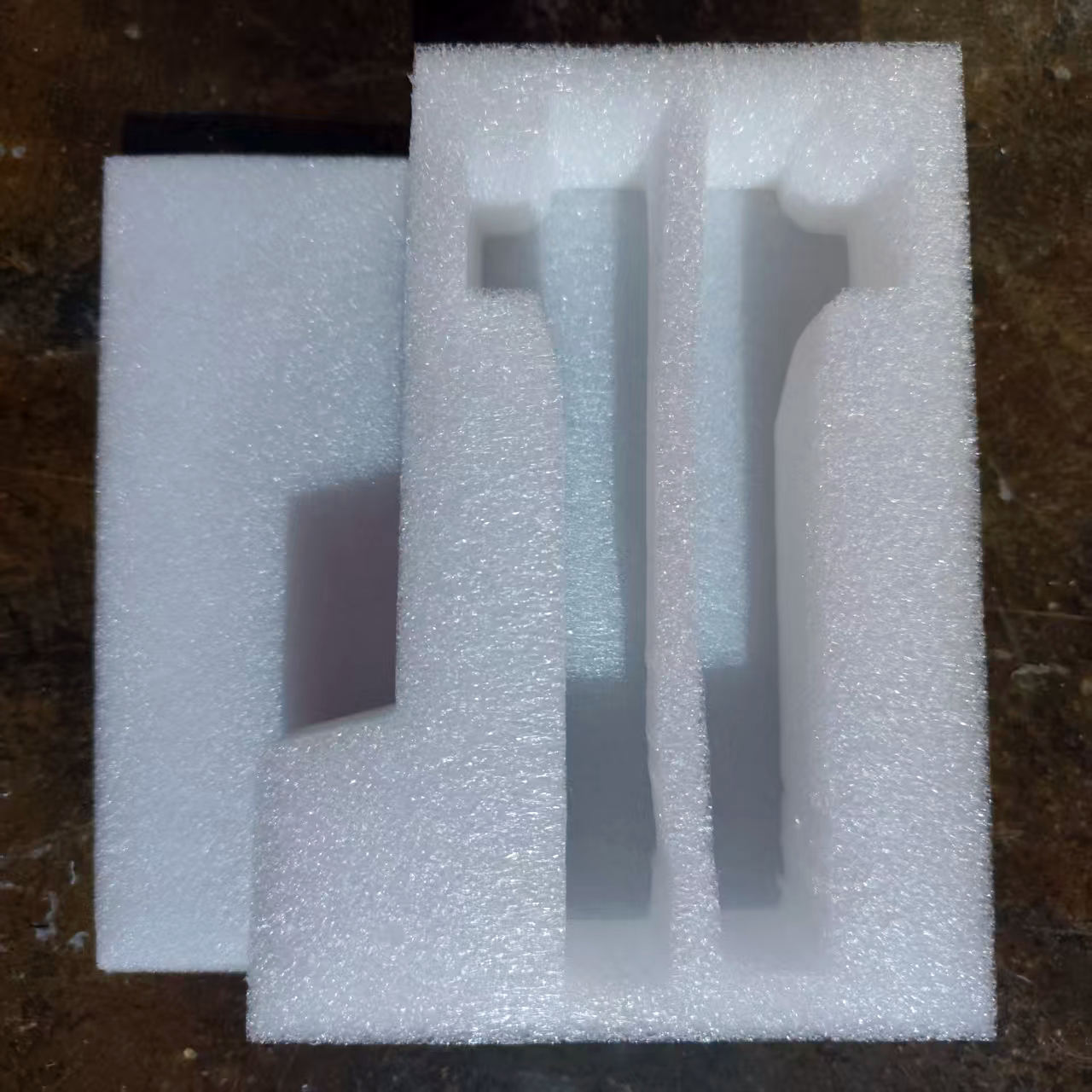
Painted bezels, molded covers and decorative housings may have low mass but extremely strict appearance criteria. Vibration can polish textures, create witness marks or transfer contamination. The insert must stop sliding and keep pressure away from visible surfaces. Receiving standards should define what counts as a scratch, gloss change, dent or contamination event before sampling begins.
Mark Class A and hidden support surfaces
Provide a drawing or annotated images that distinguish visible Class A faces from ribs, bosses and hidden mounting zones. Support the product on robust non-cosmetic geometry where possible. If a visible face must contact packaging, specify an approved bag, film or interleaf and validate it with the actual coating and transport movement.
Account for molding and paint variation
Warpage, flash, paint build and fixture marks can change the product envelope. Use maximum dimensions and known variation at support points. A cavity based on ideal CAD may be too tight for production extremes. Sample parts from different molds, cavities or coating batches when these differences can affect packing force or contact locations.
Prevent nested parts from rubbing
Some housings naturally nest, but direct nesting may concentrate pressure or rub visible surfaces. Use foam separators, indexed trays or controlled offsets. State whether parts may touch each other and how operators separate them. The pack should remain stable if the carton is tilted, not rely on careful horizontal handling throughout the route.
Design finger access and packing ergonomics
Operators should lift parts at approved edges or hidden surfaces. Finger notches must not expose a Class A face to nails, jewelry or tools. Check packing and removal time with production staff. A design that is technically protective but difficult to load can lead to forced insertion, reversed orientation or omitted separators during peak production.
Choose a surface-compatible construction
Foam grade, cell structure, bonding method and cleanliness can affect contact marks. State whether parts are fully cured and whether packaging materials have been approved against the coating. EPE can provide cushioning and separation, but a sensitive finish may require a bag or softer approved interface. Validate material compatibility rather than assuming it.
Set cavity clearance and tray pitch
A controlled fit limits movement without squeezing the housing. Define cavity length, width, depth, support locations, pitch and total insert dimensions. Our EPE insert dimension guide helps buyers translate sample comments into measurable values. Include bags or films when establishing the final cavity.
Engineer tray stacking and carton fit
Stacking features should transfer load through foam walls or tray edges, not onto the visible face of a part below. State layer count, top pad, carton size, board strength and pallet pattern. If a tray must be carried across the factory, confirm its stiffness when fully loaded and add support where bending could release parts.
Approve samples after the real coating process
Use fully cured production-representative parts rather than unpainted prototypes. Check insertion, removal, contact pattern and movement, then run route-appropriate vibration, drop or compression tests. Inspect under the same lighting and cosmetic standard used at receiving. Record both accepted and prohibited contact areas in the loading instruction.
Control cleanliness and repeat-order quality
Inspect cavity dimensions, support alignment, surface condition, bonding and packaging cleanliness. Protect finished inserts during storage and transport to the packing line. Use the European EPE packaging QC plan as a base, then add coating-specific acceptance checks and approved material references.
Optimize density and pack quantity responsibly
Higher part density can reduce freight volume but may weaken separation walls or make trays difficult to lift. Compare total landed cost, damage risk and packing labor rather than unit foam price alone. Keep packaging weights and material records available for European customers and confirm applicable PPWR responsibilities with the importer.
Send a complete housing-packaging RFQ
Include drawings, maximum dimensions, weight, Class A maps, coating data, permitted contact materials, quantity, tray handling, carton information and tests. Ask for sample and production timing. The European buyer RFQ guide helps align technical and commercial assumptions.
Send Hongying the housing drawing, cosmetic-zone map, protective layers and volume through the custom EPE packaging inquiry form.
Frequently Asked Questions
What is a Class A surface?
It is a buyer-defined visible or appearance-critical surface with stricter cosmetic acceptance requirements.
Can painted parts contact EPE directly?
Only if the coating owner approves the material and testing confirms there are no rub or transfer marks.
Should unpainted prototypes be used for approval?
No. Final fit and surface approval should use production-representative, fully cured parts.
How is warpage handled?
Use maximum envelope data and sample production extremes so the cavity is not based only on ideal CAD geometry.
Can parts be nested inside one another?
Only when direct contact and pressure are approved; otherwise use separators or indexed cavities.
How should trays be stacked?
Structural foam areas should carry stack load without pressing on the cosmetic surfaces below.
What causes repeat-order cosmetic defects?
Incorrect material, dirty inserts, cavity drift, packing reversal and coating changes are common causes.
What information is needed for quotation?
Provide drawings, cosmetic maps, finish details, dimensions, weight, quantity, tray and carton data, and test criteria.