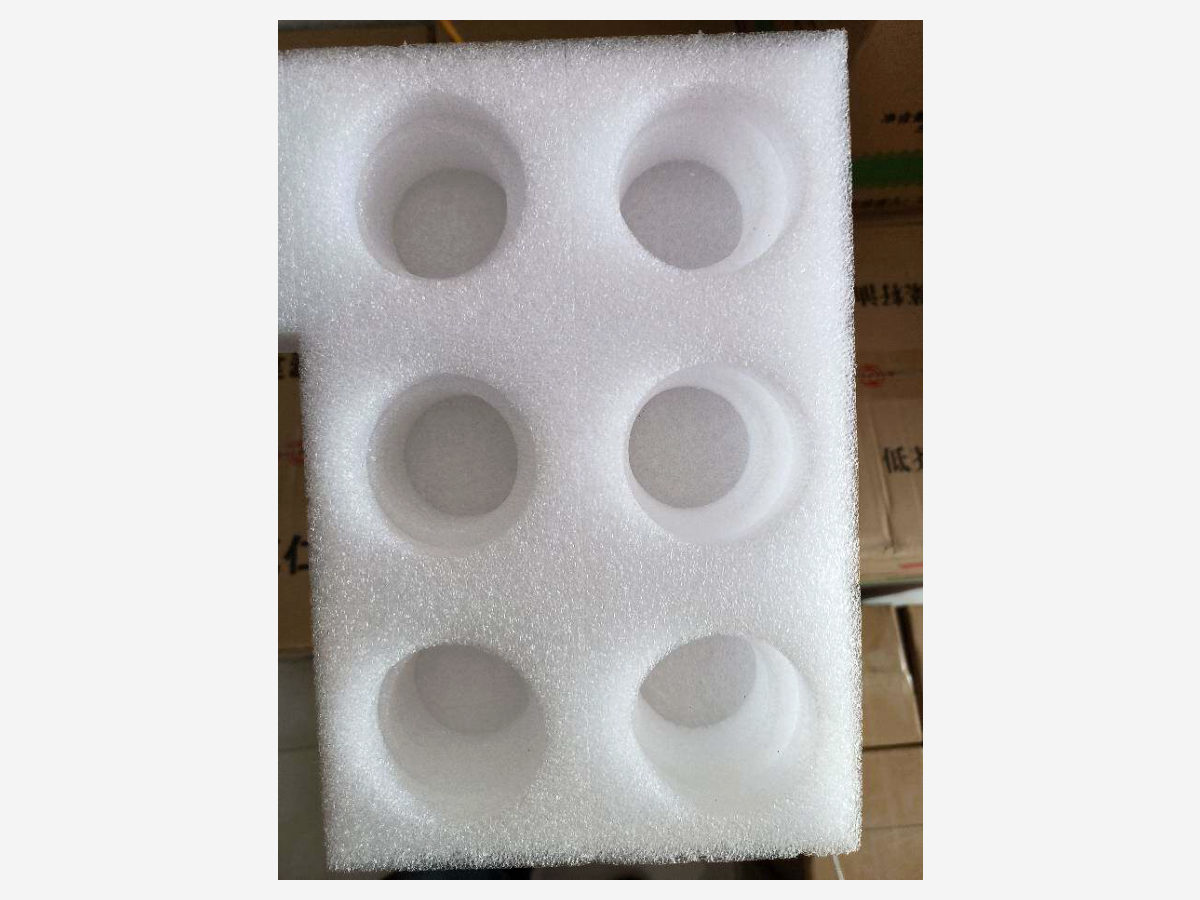
Buying custom EPE foam packaging is a specification task, not a catalogue purchase. European importers, distributors and OEM teams need a supplier that can protect the product, control repeatability and provide the documentation required by their own packaging and compliance teams. This RFQ guide explains what to send to an EPE foam packaging supplier so you can receive a comparable quotation and a realistic production plan.
WHY EPE FOAM WORKS FOR EXPORT PACKAGING
Expanded polyethylene (EPE) foam is lightweight, resilient and easy to convert into sheets, pads, end caps, trays and shaped inserts. Its cushioning separates product surfaces from scuffs, vibration and ordinary handling moisture without adding unnecessary shipping weight. The correct design still depends on the product, carton and distribution route; the material name alone is not a complete specification.
Key benefits for B2B packaging:
- Surface protection for painted, polished and coated parts.
- Repeatable packing with die-cut, CNC-shaped or laminated constructions.
- Better carton utilisation through nesting, fold lines and multi-layer layouts.
- Flexible applications for electronics, automotive parts, machinery, furniture and fruit trays.
- SEND THE RIGHT INFORMATION IN YOUR RFQ
Start with the product and the risk in transit. Send a drawing, STEP file, sample or clear photographs when available, then add:
- Finished product length, width, height, weight and fragile or cosmetic surfaces.
- Required cavity dimensions, clearance, support points and orientation inside the carton.
- Expected stacking load, drop or vibration concerns, pallet pattern and shipping mode.
- Target sheet thickness, density range, colour, lamination, adhesive or film requirements.
- Operating environment, including temperature, oil or grease contact, humidity and cleaning method.
- Estimated annual volume, first order quantity, forecast pattern and required delivery date.
When a buyer provides these details, an EPE foam inserts manufacturer can recommend a construction instead of guessing from one outside dimension. It also prevents a low quotation from hiding a design that cannot meet the real packing requirement.
- CHOOSE THE CONSTRUCTION, NOT ONLY THE MATERIAL
Two parts made from EPE foam can behave differently because of thickness, density, cavity geometry and assembly. A thin laminated pad may be right for separation, while a shaped tray or end-cap set may be necessary to control movement on a heavy or fragile component.
Common constructions for B2B projects:
- Die-cut pads and sheets for flat separators, interlayers and high-volume orders.
- CNC-shaped inserts for complex components or smaller development quantities.
- Laminated blocks when extra thickness or a stepped cavity is required.
- End caps and corner protectors that transfer impact away from product edges.
- Returnable tote liners for repeated handling in KLT and industrial containers.
Ask the supplier to show where the product is supported, where clearance is intentional and how an operator removes the insert. A design that traps the product can slow packing and cause damage during unpacking.
- SEPARATE SAMPLE, TOOLING AND PRODUCTION PRICING
Request separate quotation lines for one-time development or tooling, samples, unit price, packing and freight. This lets your purchasing team compare prototype cost with the expected cost at production volume.
A controlled development process should include:
- Design review against the latest drawing revision.
- Prototype sample using the real product whenever possible.
- Tooling or fixture details, including whether the setup is reusable.
- Golden-sample approval and a defined process for future revisions.
Do not judge an EPE foam packaging supplier only by the first sample. Ask how the factory keeps the approved sample, controls material batches and checks dimensions during repeat production.
- BUILD QUALITY CONTROL AROUND FAILURE MODES
Quality checks should match the way packaging can fail. For a shaped insert, inspect cavity size, wall thickness, support height and overall fit. For a laminated part, check bond consistency and layer alignment. For a large export order, agree on a sampling plan before production.
Useful checks include:
- First-piece approval against the latest drawing or approved sample.
- In-process checks for critical dimensions and cavity alignment.
- Visual inspection for tears, compression marks, contamination and loose lamination.
- Pack-out trial using the actual carton, product and pallet orientation.
- Final quantity, labelling and carton inspection before shipment.
For automotive, electronics or measuring equipment, add the requirements that matter to your product, such as oil resistance, ESD control, cleanliness or traceability. Put these requirements on the quotation and inspection record instead of leaving them in informal messages.
- PREPARE PPWR-ORIENTED INFORMATION FOR EU PROJECTS
Packaging regulations and customer sustainability policies are increasingly part of the buying decision. A supplier cannot decide your legal classification, but it can provide consistent technical information for your compliance team. For an EU import project, request material identification, component weight, dimensions, layer or adhesive details, recycled-content information if applicable, and available recyclability or handling notes.
Keep each record tied to the exact part number and drawing revision. If the foam, film, adhesive or carton changes, update the packaging data before the next shipment. Clear records help importers assess their PPWR obligations and avoid re-measuring every repeat order.
- REDUCE LANDED COST THROUGH PACKAGING ENGINEERING
The lowest unit price is not always the lowest landed cost. Ask for a carton and pallet proposal showing how inserts nest, how many sets fit per carton and how the shipment will be protected from compression. A small change in cavity orientation or fold design can reduce empty space across a full container.
Compare nested and flat-packed versions where the product allows it. Remove unused foam outside the load path while keeping the required protection. Confirm carton dimensions before booking freight, and use consistent labels and pack quantities so receiving teams can count quickly.
RFQ CHECKLIST FOR YOUR NEXT CUSTOM EPE FOAM PACKAGING ORDER
Send the following in one package:
- Product drawing, sample or photographs with critical dimensions.
- Transit risks, stacking conditions and target packaging configuration.
- Material, thickness, density, colour and lamination or ESD requirements.
- Annual demand, first order quantity, forecast and required delivery date.
- Inspection standard, sample approval method and documentation needs.
- Destination country, preferred Incoterm and carton or pallet constraints.
Use this linked RFQ path before comparing EPE foam suppliers
These guides turn a broad packaging request into comparable commercial and technical data. Follow the links that match your project, then issue the same product revision, quantity, destination, sample standard and packing assumptions to every supplier.
- Custom EPE Foam Inserts: MOQ, Samples, Tooling Cost and Lead Time
- Custom EPE Foam Insert Quote: What Buyers Should Prepare
- How to Specify EPE Foam Insert Dimensions for Export Cartons
- How to Choose EPE Foam Thickness and Clearance for Custom Inserts
- Custom EPE Foam Packaging Cost: 9 Factors That Change Your Quote
- EPE Foam Packaging Lead Time: RFQ to Repeat Order
- European EPE Foam Packaging QC Plan: What Importers Should Check
- PPWR-Oriented EPE Foam Packaging for EU Imports: A Buyer Guide
- How to Reduce Freight Cost on Bulk EPE Packaging Orders to Europe
- How European Buyers Should Audit an EPE Foam Packaging Factory in China
- EPE Foam Packaging Supplier for European Importers and Distributors
- Custom EPE Foam Packaging Manufacturer in China for OEM Bulk Orders
- High-Volume Custom EPE Foam Trays for European Component Supply Chains
Hongying’s 3,000+ m² Shanghai factory can review drawings, dimensioned photos and physical samples for custom EPE foam packaging. European buyers may also request packaging bill-of-material and component weight information to support their own PPWR assessment; the responsible buyer or importer determines the legal requirements for its market.
View custom insert capabilities · Browse industry applications · Send RFQ data on WhatsApp
Three approval gates before a repeat bulk EPE order
Use these focused guides after the initial RFQ: convert the approved design into a purchase specification, validate the complete export pack, and prepare grade-specific documents for the EU buyer review. Each guide includes a decision table, buyer checklist and questions to send the packaging supplier.
- How to Write an EPE Foam Packaging Purchase Specification for Repeat Bulk Orders
- How to Validate Custom EPE Foam Packaging Before Mass Production: An Export Test Plan
- EPE Foam Packaging Compliance Documents for EU Buyers: A Pre-Order Checklist
Review custom EPE insert capability · Send a project RFQ · Send drawings on WhatsApp
REQUEST A PRODUCTION-READY QUOTATION
Hongying supports custom EPE foam packaging projects from design review and sampling through repeat bulk supply. To start a quotation, send your product dimensions or drawing, target quantity, destination and the protection problem you need to solve. A clear RFQ allows the factory to recommend the right insert construction, confirm sample steps and quote the order on comparable terms.
Buyer tip: ask for the quotation, approved sample record and packaging data to use the same part number and revision. This makes reordering easier and helps your team compare suppliers on performance, documentation and total cost—not only on the first price.