Choosing a custom EPE foam packaging manufacturer in China is not only a price comparison. For OEM and industrial buyers, the supplier must convert product data into a repeatable insert, control material and dimensions, support sampling, plan capacity and ship consistent parts across multiple purchase orders.
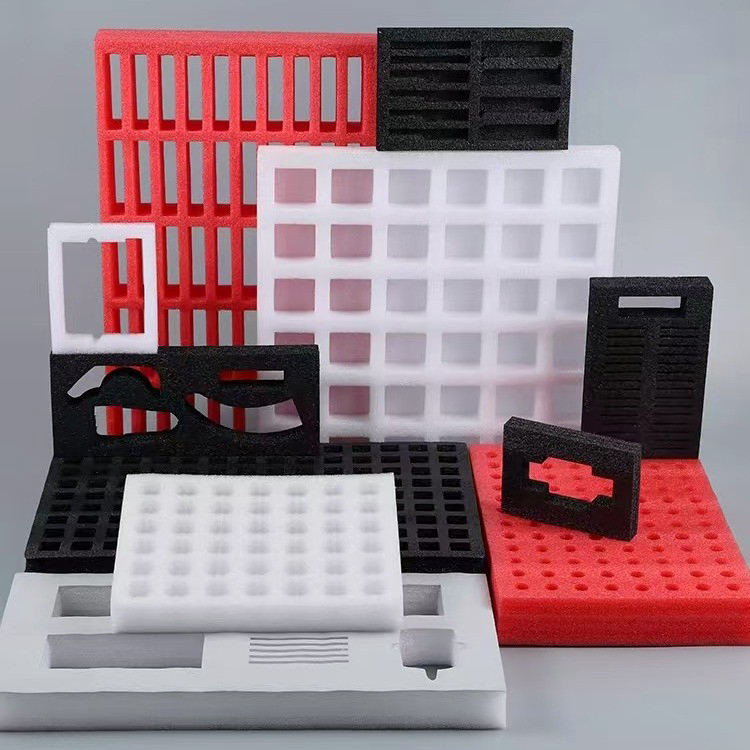
This guide explains what procurement teams should verify before placing OEM or bulk EPE orders. It covers factory capability, engineering input, sample approval, quality control, production planning, export packing, commercial quotations and the information European buyers may need for their own packaging documentation.
What a B2B Buyer Is Actually Purchasing
The product is not simply a sheet of foam. A custom packaging order may include material selection, cutting, slotting, layered construction, bonding, cavity design, inspection, packing and shipment coordination. The buyer is purchasing a repeatable packaging component that must fit both the product and the outer box.
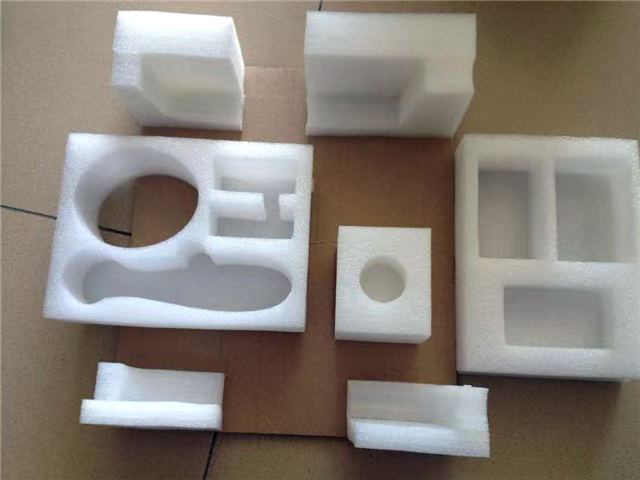
A useful quotation therefore identifies the proposed construction and commercial assumptions. A low unit price based on an incomplete drawing may become expensive after redesign, slow packing or damaged goods.
Products Supported by Custom EPE Packaging
Industrial and Automotive Components
Machined parts, sensors, valves, pumps, trim parts and subassemblies use EPE trays, dividers, pads and end supports to control contact and organise handling. The design should account for weight, oil, sharp edges and cosmetic surfaces.
Electronics and Instruments
Test equipment, controls and electronic assemblies may require precise cavity clearance, cable compartments and documented ESD properties. Black colour alone must never be treated as proof of anti-static or conductive performance.
Retail and Export Gift Sets
Bottles, tins, tools and premium accessories need both transport protection and orderly presentation. Finger access, label orientation and finish compatibility become part of the packaging specification.
Evaluate the Factory Against Your Product
A factory is suitable when its processes match the geometry, tolerance, volume and quality risk of the project. Buyers should review examples that are technically similar to the intended part rather than relying only on a general product gallery.
Hongying operates from a 3,000+ m² facility and supports prototype development and repeat production. The relevant question is how the project will move from buyer data to an approved sample and then to controlled mass production.
Engineering Information the Supplier Needs
Good input reduces quotation uncertainty. Provide a dimensioned drawing, 3D data where available, product weight, fragile zones, acceptable support areas, carton dimensions and target quantity. Physical samples are valuable when the product includes flexible cables, surface coatings or assembly tolerances that the drawing does not show.
Mark Critical and No-Contact Areas
Identify connectors, lenses, polished faces, switches, threads and other features that must not carry load. Mark stronger regions that can safely contact the foam. This helps the supplier propose a support path instead of guessing.
Separate Confirmed Requirements From Preferences
State which items are mandatory, such as box size or test method, and which can be optimised, such as colour or cavity arrangement. The separation allows engineering alternatives without weakening the true requirement.
Material Grade, Density and Thickness
Density and thickness affect different aspects of packaging performance. Thickness creates clearance and compression travel; density influences firmness and recovery. The correct combination depends on product weight, fragility, support area and distribution hazards.
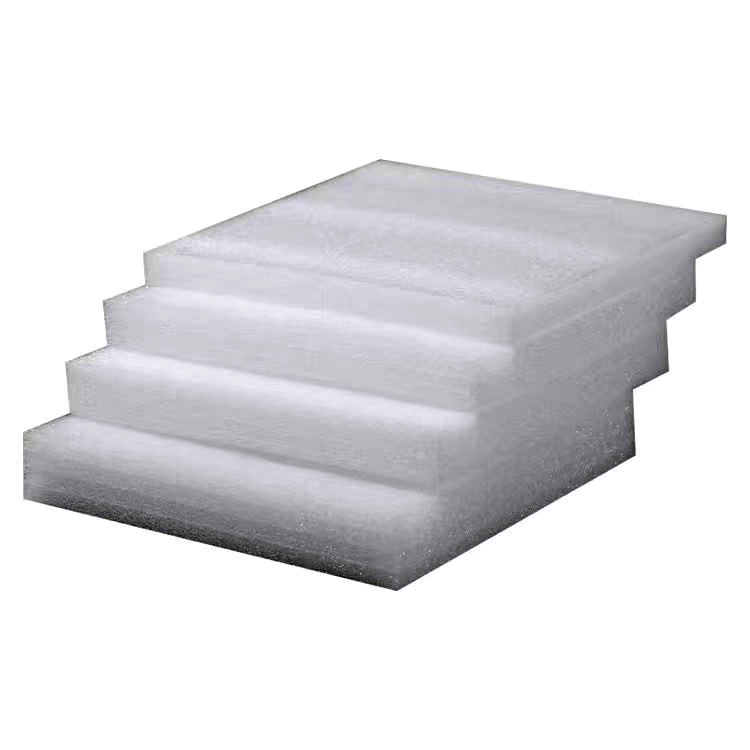
An OEM EPE foam packaging supplier should identify the quoted material and total layer construction. Final approval should rely on the tested packaging system rather than a generic claim that one density suits every product.
Converting and Assembly Capabilities
Common formats include die-cut trays, slotted dividers, CNC-cut prototypes, laminated blocks, end caps, corner protectors, channels, loose pads and carton-integrated assemblies. The process route depends on geometry, order size, edge-quality needs and repeatability.
Ask how prototypes differ from mass-production parts. A hand-cut or CNC sample may validate fit, while production later uses a cutting tool. The supplier should explain any expected difference in edge appearance, tolerance or construction.
Prototype Approval Before OEM Production
Fit and Handling Review
Load real production parts and check movement, removal access, packing speed, orientation and surface contact. Include dimensional extremes rather than approving only one ideal sample.
Complete-Pack Testing
Test the insert inside the intended carton, case or tote. Drops, vibration and compression should reflect the distribution route and product value. The foam cannot be evaluated separately from the outer package.
Golden Sample and Drawing Control
Retain a signed sample or controlled inspection reference. Record material, dimensions, layer sequence, colour, bonding and the final drawing revision. This becomes the standard for later purchase orders.
Quality Control for Bulk EPE Foam Packaging Orders
For bulk EPE foam packaging orders, inspection should focus on features that affect fit and protection. Typical critical points include overall size, cavity dimensions, depth, centre spacing, wall width, layer alignment and total thickness.
Visual criteria may cover clean edges, tears, bonding, deformation, colour, contamination and packing orientation. The buyer and supplier should agree measurement frequency, sampling level and the response to nonconforming parts before production begins.
Capacity and Forecast Planning
Large buyers should share the annual forecast, release quantity and requested delivery pattern. A single annual volume does not reveal whether demand arrives evenly or as urgent peaks. Forecast visibility helps the factory plan material, tools, labour and finished-goods space.
Ask what information locks the production schedule and which changes may affect lead time. Late product revisions, unapproved artwork, missing cartons and quantity changes can delay a project even when foam capacity is available.
Packaging the Packaging
EPE parts are light but bulky. They can also deform if compressed or stacked incorrectly during international transport. Agree inner bags, bundle quantity, master-carton size, labels, maximum stack height and protection from contamination.
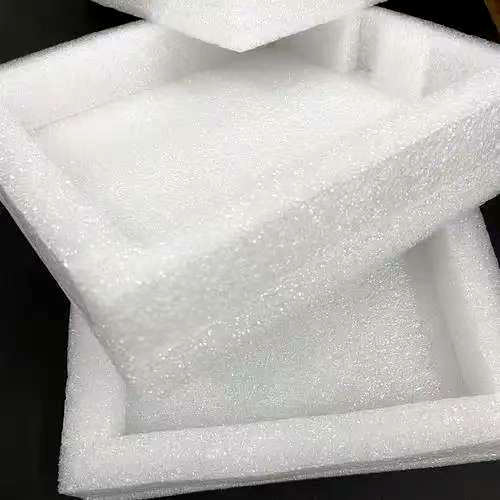
Buyers may compare finished inserts with nested or partly assembled formats. Any freight-saving method must preserve geometry and should not shift complex assembly work to the receiving line without a clear cost calculation.
Commercial Terms That Should Be Clear
A professional quotation distinguishes unit price, prototype charge, cutting-tool or development cost, packing, freight and taxes. It should state the quoted quantity, currency, Incoterm, validity, payment terms and assumed specification.
Do not compare prices until the constructions are aligned. Different density, layer count, packaging method or delivery term can make two unit prices appear comparable when they are not.
Repeat Orders and Change Management
OEM programmes often run for years. Each repeat order should reference the approved drawing and revision. If the buyer changes the product, carton, supplier label or packing quantity, the insert should be reviewed before automatic reordering.
Ask how tools, samples and digital files are identified. A simple change log prevents an old version from returning after a new variant enters production.
European Import Documentation and PPWR Data
European buyers may need accurate packaging weights, material descriptions and component breakdowns for their own PPWR, extended producer responsibility and customer reporting processes. The responsible economic operator determines the legal obligations for the finished pack.
A supplier should provide factual product and shipment data without making unsupported claims that one material automatically makes the complete package compliant. Requirements can differ by market, use and the role of each company in the supply chain.
Warning Signs During Supplier Selection
- A final price is offered without product weight, dimensions or quantity.
- Material properties are claimed only from colour or appearance.
- The supplier cannot explain how a prototype becomes a production part.
- No critical dimensions or approved sample are proposed.
- Delivery promises ignore sample approval and material planning.
- Compliance statements are broad but unsupported by project-specific data.
RFQ Checklist for an Accurate Factory Quote
Send the following information when contacting a manufacturer:
- Product drawing, photographs, physical sample and maximum tolerances.
- Weight, fragile zones, safe supports and surface-finish requirements.
- Outer carton, case or tote internal dimensions.
- Parts per pack and required orientation.
- Material, colour, cleanliness, ESD or other verified property needs.
- Prototype quantity, order quantity, annual forecast and release schedule.
- Destination, Incoterm and preferred shipment method.
- Test standard and measurable acceptance criteria.
Submit drawings and forecast quantities through the custom EPE packaging factory quotation form. A complete RFQ allows Hongying to distinguish fixed requirements from areas where cost or freight can be optimised.
A Practical OEM Project Sequence
- Buyer submits product, packaging and commercial requirements.
- Factory reviews risks and proposes material and construction.
- Prototype is produced for fit and handling approval.
- Complete pack is tested and adjusted where necessary.
- Golden sample, drawing and inspection points are approved.
- Production schedule, packing and shipment are confirmed.
- Incoming results and field feedback inform repeat orders.
This sequence helps engineering, procurement and quality teams approve the same specification before volume production.
Frequently Asked Questions
Can Hongying support both prototypes and bulk production?
Yes. The project should define the prototype purpose, likely production process and expected annual demand so the sample can lead to a repeatable mass-production specification.
What determines the unit price of a custom EPE insert?
Material grade, thickness, part size, cavity complexity, layer count, bonding, quantity, inspection and export packing all contribute. Freight may also be significant because finished foam occupies volume.
Is the lowest-density foam always the cheapest solution?
No. A lower-density design may require more thickness, produce a larger carton or fail testing. Compare the complete packaging system and total delivered cost.
What should control repeat orders?
Use an approved drawing revision, material definition, inspection plan and golden sample. Review the insert whenever the product or outer packaging changes.