An EPE foam packaging purchase specification turns an approved concept into repeatable requirements that can be quoted, ordered, inspected and changed under control. For repeat bulk orders, the document should identify the product and packaging revisions, EPE grade, construction, dimensions, acceptance criteria, pack-out method and records. A quotation tells purchasing what a supplier proposes and what it costs; it does not by itself define every production requirement.
| Specification block | Buyer should define | Supplier should confirm |
|---|---|---|
| Scope | Product, revision, route and annual demand | Quoted configuration and capacity assumptions |
| Material | Required properties and prohibited substitutions | Exact EPE grade and traceable source |
| Geometry | Datums, CTQ dimensions and fit intent | Process capability and inspection method |
| Approval | Sample, test and sign-off route | Records supplied before release |
| Change | Notification and reapproval triggers | No unapproved revision or material change |
Practical workflow: purchasing issues the commercial RFQ, engineering owns product risk and drawings, quality defines measurable acceptance, and the packaging supplier confirms the offered construction and manufacturing controls. After sample and transport approval, those records become a released package linked to the PO. Reorders should cite the same part number and revision. If any input changes, the team reviews the effect before price, production or shipment is released.
Why a quotation is not a production specification
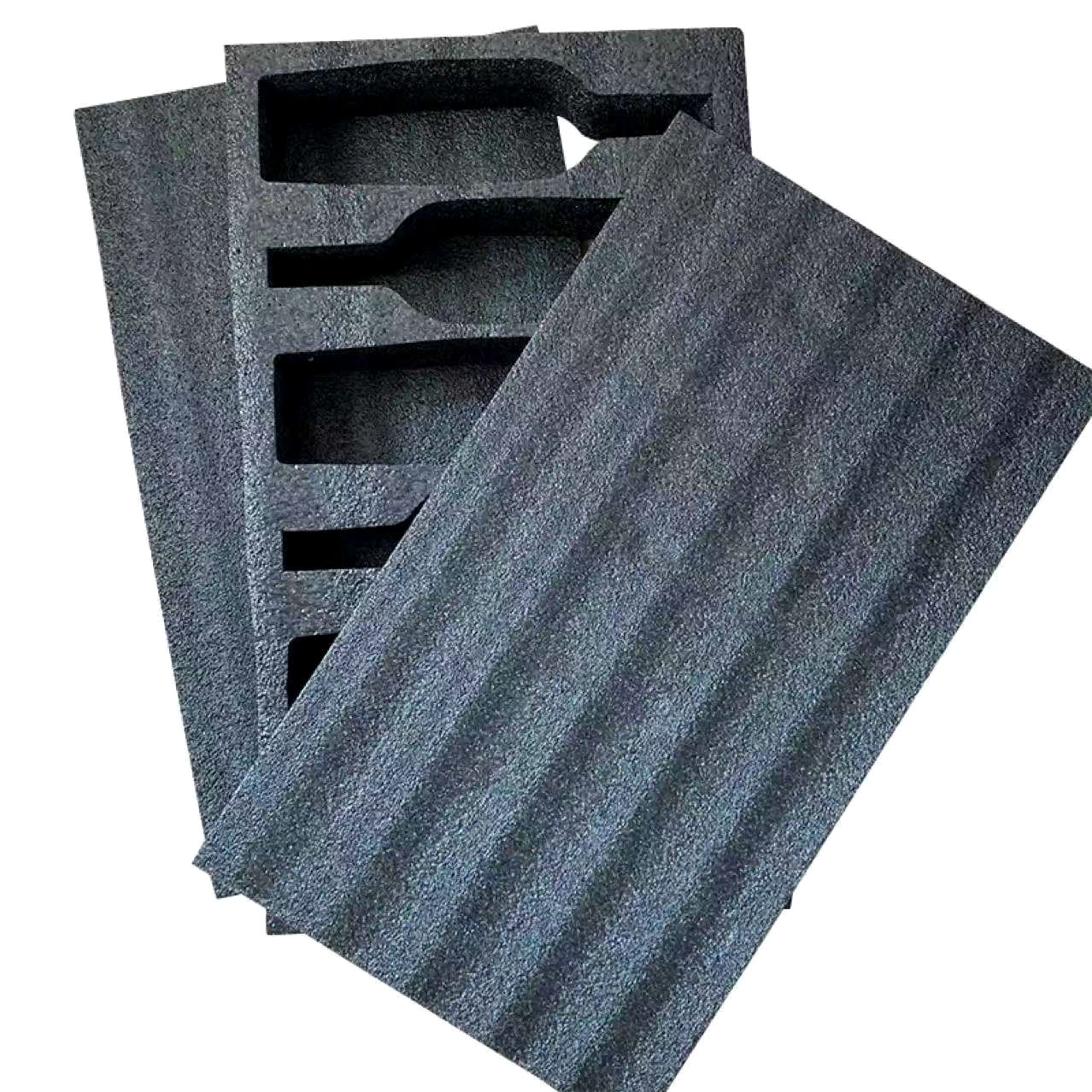
A quotation normally records price, quantity assumptions, sample or development charges and a short product description. It may omit cavity datums, layer sequence, bonding limits, workmanship criteria and change rules. If a purchase order only says “black EPE insert,” two visually similar deliveries can behave differently. Link the quote to a controlled specification and approved drawing so commercial and technical records describe the same pack.
Define the product and complete pack-system scope
Start with the customer part number, product revision, packed weight, permitted contact surfaces, fragile zones and shipping route. State whether the EPE foam packaging works inside a corrugated carton, plastic tote, hard case or export crate. Include bags, caps, labels, top pads and accessories because they change fit and load paths. The export carton protection checklist helps teams review the complete system instead of the foam alone.
Build an assembly BOM and part-number matrix
Give every foam layer, pad and insert assembly a controlled item number. A bill of materials should record quantity per pack, material description, nominal thickness, color where relevant, bonding relationship and the supported product variants. For a family of products, use a matrix that shows which insert revision belongs to each model and carton. This prevents a warehouse from mixing an old insert with a revised product.
- Product part number and drawing revision
- Packaging assembly and component part numbers
- Quantity per carton, tote or case
- Required bags, caps, labels and separators
- Approved product variants and exclusions
Specify the exact EPE grade, layers and bonding
Do not use density, color or the phrase “pearl cotton” as the complete material definition. Ask the supplier to state the offered EPE grade, thickness of each layer, laminated total thickness, cutting process and bonding method. Identify any material property that the project owner needs to verify. The slots, layers and tolerances guide explains why a layered insert needs more control than one overall dimension. Substitution should require written review when it can affect fit, compression, appearance or documentation.
Set datums, CTQ dimensions and tolerances
Mark critical-to-quality dimensions rather than applying an arbitrary tight tolerance everywhere. Typical CTQs include total length and width, cavity position, base thickness, minimum wall, support height, lid clearance and interfaces with an outer container. Use clear datums and state how the part is measured. The buyer can use the EPE insert dimension guide to prepare a dimensioned file; the supplier should then confirm achievable controls for its actual process.
Define fit, load paths and operator access
A cavity is acceptable only when it controls movement without pressing a prohibited surface or making removal unsafe. Identify where product weight may be supported, where clearance is mandatory, and how an operator inserts and removes the item. Finger notches, cable channels and accessory pockets should be shown on the approved drawing. Use production-representative products, including permitted dimensional extremes, when evaluating fit.
Write workmanship and cleanliness criteria
Translate “good quality” into observable criteria. Define acceptable limits for tears, incomplete cuts, loose particles, exposed adhesive, open bonds, layer misalignment, stains, odor concerns, dents and mixed revisions. Cleanliness requirements depend on the product and intended use, so they should be provided by the buyer rather than inferred from the foam color. Photographic defect examples can make incoming inspection more consistent across countries.
Control pack-out, labels and shipping presentation
Specify orientation, units per layer, number of layers, top and bottom pads, carton quantity and label location. If sets are shipped knocked down, define which party assembles them and how components are identified. Include a loading diagram for multi-cavity trays and kits. Confirm final gross weight and pallet plan before release, especially when a change in cavity count could alter handling or carton compression.
Define sampling, inspection and acceptance
State which dimensions and attributes are checked at first article, during production and before shipment. The buyer should choose the sampling approach and acceptance rules according to project risk; there is no universal AQL or tolerance suitable for every insert. The European EPE packaging QC plan provides a framework for material identity, geometry, workmanship, bonding and pack-out checks. Record the instrument or gauge used for each CTQ.
Control the golden sample without relying on it alone
A signed golden sample is useful for tactile fit, appearance and workmanship comparison, but it cannot replace a legible drawing and BOM. Give the sample an identification label, approval date and revision, and define storage and replacement rules. The supplier and buyer should hold matched references when practical. If the product, foam grade, construction or outer pack changes, review whether the sample and validation evidence remain applicable.
Set revision and engineering-change rules
The specification should require notice before changes to material source, foam grade, thickness, cutting program, adhesive, layer sequence, cavity geometry, factory process or manufacturing location when those changes could affect the approved pack. Define who may approve a change and what evidence is required. Do not assume a new product revision fits because its outside dimensions appear unchanged; connector positions, weight distribution or protected surfaces may have moved.
Attach a complete RFQ and PO document pack
Send the specification with drawings, 3D or 2D product data, dimensioned photos, product weight, sample quantity, forecast, destination, carton information and required validation. Separate one-time development charges from unit pricing and state the quoted quantity break. Compare assumptions with the European buyer RFQ guide, custom packaging cost guide and sample-to-repeat-order lead-time guide. Hongying’s 3,000+ m² Shanghai factory can review a controlled document pack before sampling.
Next step: Send your product drawing, weight, annual demand and current packaging specification through the EPE foam project form, or send dimensioned photos on WhatsApp. Ask for the quotation to list the offered material, construction and revision assumptions.
Frequently Asked Questions
What is the minimum information in an EPE purchase specification?
Identify the product revision, complete pack configuration, exact offered foam construction, CTQ dimensions, workmanship, pack-out, inspection and change-control requirements.
Can a quotation replace the specification?
No. A quote is a commercial offer; a production specification defines what is approved and how it will be accepted.
Is a golden sample enough for repeat bulk orders?
It helps compare fit and workmanship, but controlled drawings, BOM data and revision records are still needed.
Should every dimension have a tight tolerance?
No. Prioritize dimensions that affect fit, load path, clearance, assembly or the outer container, then agree achievable controls.
How should multiple product variants be handled?
Use a part-number matrix linking each product revision to the correct insert, carton and loading instruction.
Can a supplier change to a similar-looking EPE grade?
Only under the agreed change process when the substitution could affect performance, dimensions, appearance or required documents.
Who defines acceptance criteria?
The buyer owns product risk and should approve acceptance criteria, while the supplier confirms measurable process and inspection methods.
What information helps Hongying quote quickly?
Provide drawings or dimensioned photos, weight, fragile zones, pack quantity, outer carton, order volume, destination and required approval records.