Custom EPE foam case inserts for metrology instruments and gauges should immobilize the body, protect probes and displays, and keep calibration accessories in assigned positions. A useful RFQ includes instrument drawings, weight, calibration-sensitive zones, accessory list, case dimensions, handling route and annual quantity. These details allow the insert to protect measurement integrity while remaining practical for technicians.
Why precision instruments need controlled support
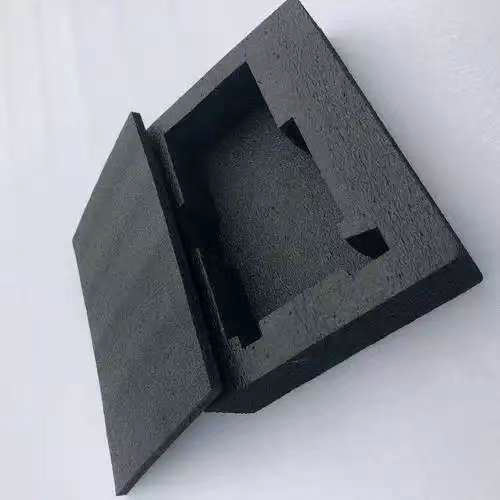
Calipers, bore gauges, portable testers, indicators and measurement heads can lose accuracy after impact even when no external damage is visible. An insert should carry load through stable housings and keep probes, anvils, stems and adjustment controls clear. The buyer must define the inspection or calibration checks required after packaging validation.
List the complete calibration kit
Include standards, probes, leads, batteries, chargers, adapters, tools and certificates in the cavity map. Heavy accessories should be isolated from the instrument. A clearly organized layout makes missing items visible before dispatch and reduces the chance that a technician forces an accessory into the wrong cavity during repacking.
Mark no-contact and calibration-sensitive features
Identify measuring faces, contact tips, glass scales, display windows, knobs, connector pins and reference datums. The cavity should support robust surfaces and include finger access away from sensitive features. Protective caps and bags must be fitted during sampling because they change the final envelope and cavity friction.
Control fit without creating adjustment loads
Excessive interference can press a button, move an adjustable component or mark a finished housing. Too much clearance permits impact. Provide maximum dimensions and tolerances rather than nominal values alone. Orientation features should make incorrect loading difficult while allowing removal without tools or excessive force.
Choose foam construction for case depth
A case insert may combine a laminated base, shaped cavity layer and top pad. The supplier should state foam grade, overall thickness, layer arrangement, bonding method and minimum walls. Confirm lid compression with every accessory installed. The case should close without transferring pressure to probes, displays or calibration controls.
Protect documents and small accessories
Calibration certificates, manuals and traceability labels need a defined dry location. Small pins, batteries and adapters require separated cavities or approved containers. Avoid placing loose hardware above the instrument. A loading diagram can show item numbers and orientation while keeping serial and calibration labels visible.
Specify cavity dimensions and case interface
Provide the case model and usable internal dimensions, including lid depth and corner features. Define cavity length, width, depth and support datums using the EPE insert dimension guide. Sample with the actual case because nominal catalog dimensions may not represent hinges, ribs and seals.
Validate technician handling and transport
Test insertion, removal, case closure, carrying orientation and repacking. Use the final instrument, caps, bags, accessories and case. Match drop, vibration or vehicle-transport checks to the real route. Define cosmetic, functional and calibration acceptance before testing so a pass or failure is objective.
Control repeat-order dimensions
Inspect material identity, cavity geometry, no-contact clearances, total size, layer alignment, bonding and surface condition. Link the approved sample to the current instrument and case revision. The EPE packaging QC plan can be extended with probe-clearance and lid-compression checks.
Plan for service and recalibration cycles
If the case travels repeatedly, define expected cycles, cleaning method and replacement criteria. Foam can compress or become contaminated over time. A service program should identify damaged inserts and preserve revision data so replacement inserts remain compatible with instruments already in the field.
Review European packaging data
Maintain material identification and component weights for the foam, case, bags and labels. Remove unnecessary cavities or excess volume only after protection is verified. European customers should determine applicable PPWR responsibilities with their compliance advisers, using supplier packaging data as an input rather than legal confirmation.
Prepare a metrology insert RFQ
Send drawings, weight, protected features, case details, accessory list, calibration acceptance, order quantity and destination. Request sample timing and separate development charges. The EPE packaging cost guide helps purchasing teams compare quotations consistently.
Send Hongying your instrument drawing, case dimensions, accessory list and annual demand through the custom EPE foam quotation form.
Frequently Asked Questions
Can EPE protect calibrated instruments?
It can support a validated system, but the product owner must define acceptable calibration or functional checks after testing.
Should probes touch the foam?
Normally probes and measuring faces should remain outside load paths unless the instrument owner approves contact.
Can the insert fit an existing hard case?
Yes. Provide the exact case or verified usable internal dimensions, including lid features.
How are certificates packed?
Use a defined document area that remains dry and does not load the instrument or its accessories.
Should the sample include every accessory?
Yes. Lid closure, fit and movement must be checked with the complete production kit.
Can one insert cover several gauge models?
Sometimes, using validated spacers or model-specific cavities that prevent smaller instruments from moving.
When should an insert be replaced?
Replace it when compression, tears, contamination or fit exceed the approved service limits.
What information speeds up quotation?
Provide drawings, weight, case model, protected zones, kit list, quantity, route and validation criteria.