EPE foam packaging for electrical connectors and wire harness assemblies should protect pins, seals, latches and cable exits while controlling coil size and kit orientation. Buyers should provide connector drawings, harness length, cable diameter, minimum bend radius, ESD specification, units per pack, carton or tote dimensions and annual forecast. The packaging can then support transport and error-free line-side supply.
Why connector and harness damage is often hidden
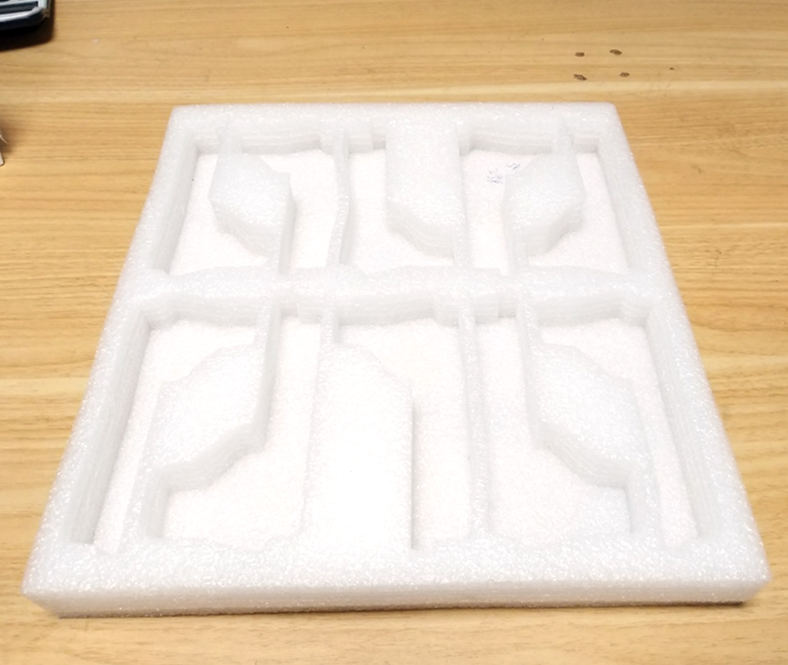
A connector can look normal while pins, seals or locking tabs have been stressed. Harnesses can also develop sharp bends near overmolds or backshells. Loose coils allow heavy plugs to strike neighboring parts. A custom tray locates each connector body and retains the cable without using pins, seals or latches as support points.
Define every branch and connector variant
Provide a harness drawing with branch lengths, connector types, clips, labels and test points. State whether protective caps and cable ties are installed. Mixed kits need a cavity map and part-number list. Regional or model variants should not share an oversized pocket unless the smallest assembly remains securely controlled.
Protect pins, seals and locking mechanisms
Mark mating faces, terminals, O-rings, CPA locks and release tabs as no-load zones. Support the connector housing at approved structural surfaces. Required caps must be included in samples. Finger access should allow removal without pressing latches or pulling the harness by a cable branch.
Maintain the approved cable bend radius
Provide cable diameter, minimum bend radius and permitted coil size. Avoid narrow slots that kink branches or transfer lid pressure to the cable exit. Retaining features should hold the coil without excessive compression. Check spring-back during unpacking so the harness does not jump out or strike an operator.
Organize clips, terminals and hardware
Separate loose clips, brackets, fasteners and protective caps from connector faces. A visible layout improves completeness checks at the assembly line. Small hardware may need a sealed bag in its own pocket. The loading standard should show coil direction, branch routing and label position.
Specify ESD requirements explicitly
Some connector assemblies include electronics or exposed sensitive terminals, while passive harnesses may follow different rules. Provide the product owner’s ESD specification and verify the proposed material. Foam color is not evidence. Buyers can compare requirements with the electrical component packaging guide.
Control cavity fit with caps and labels
Caps, labels, cable ties and bag folds change the final envelope. Define connector cavity length, width and depth plus cable-channel geometry using the EPE insert dimension guide. Sample production variation, especially when multiple connector or cable suppliers are approved.
Design around tote and workstation needs
State tote model, usable dimensions, stack height, loading direction and whether trays are removed at the line. For robotic presentation, provide pitch, datum and gripper-clearance requirements. Check tray stiffness when fully loaded and ensure stacked trays do not press onto connector interfaces below.
Validate the full packed harness
Use production harnesses with final caps, ties, labels, bags and outer pack. Check removal, cable routing, pin clearance and movement. Test drops, vibration and compression according to the actual parcel or pallet route. Acceptance may include electrical continuity or connector inspection defined by the buyer.
Inspect repeat orders consistently
Control material identity, connector cavities, cable channels, base and wall thickness, layer alignment, bonding and overall dimensions. Verify the correct loading diagram. The EPE packaging QC checklist can be extended with cap retention, branch routing and ESD evidence.
Optimize pack density without cable stress
A tighter coil can reduce freight but must respect bend radius and connector orientation. Compare total carton volume, operator time and damage risk rather than maximizing cavity count. Record packaging weights for European customers and let the importer confirm applicable PPWR responsibilities.
Prepare a connector and harness RFQ
Send drawings, harness weight and length, protected interfaces, bend radius, caps, ESD rules, units per tray, tote or carton data, forecast and tests. Use the EPE packaging lead-time guide to plan samples before a production launch.
Send Hongying your connector and wire-harness files, kit quantity and forecast through the custom EPE foam inquiry form.
Frequently Asked Questions
Can a complete harness fit in one EPE tray?
Yes, when connector bodies, branches and coil geometry are controlled without violating bend-radius requirements.
Should connector pins touch the foam?
No. Support the housing and leave controlled clearance around pins and mating faces.
Are protective caps included in cavity size?
Yes. Fit approval should use final caps, labels, ties and bags.
Does every harness require antistatic EPE?
No. Follow the product owner’s ESD specification for the actual assembly.
Can trays support robotic loading?
Potentially, when pitch, datums, stiffness and gripper access meet the automation requirement.
How is cable spring-back controlled?
Use an approved coil size and retention geometry, then verify safe unpacking with production harnesses.
What repeat-order checks are important?
Inspect connector cavities, cable channels, material, walls, bonding, overall size and loading revision.
What data is needed for quotation?
Provide harness drawings, weight, bend radius, caps, ESD rules, quantity, outer pack, forecast and route.